
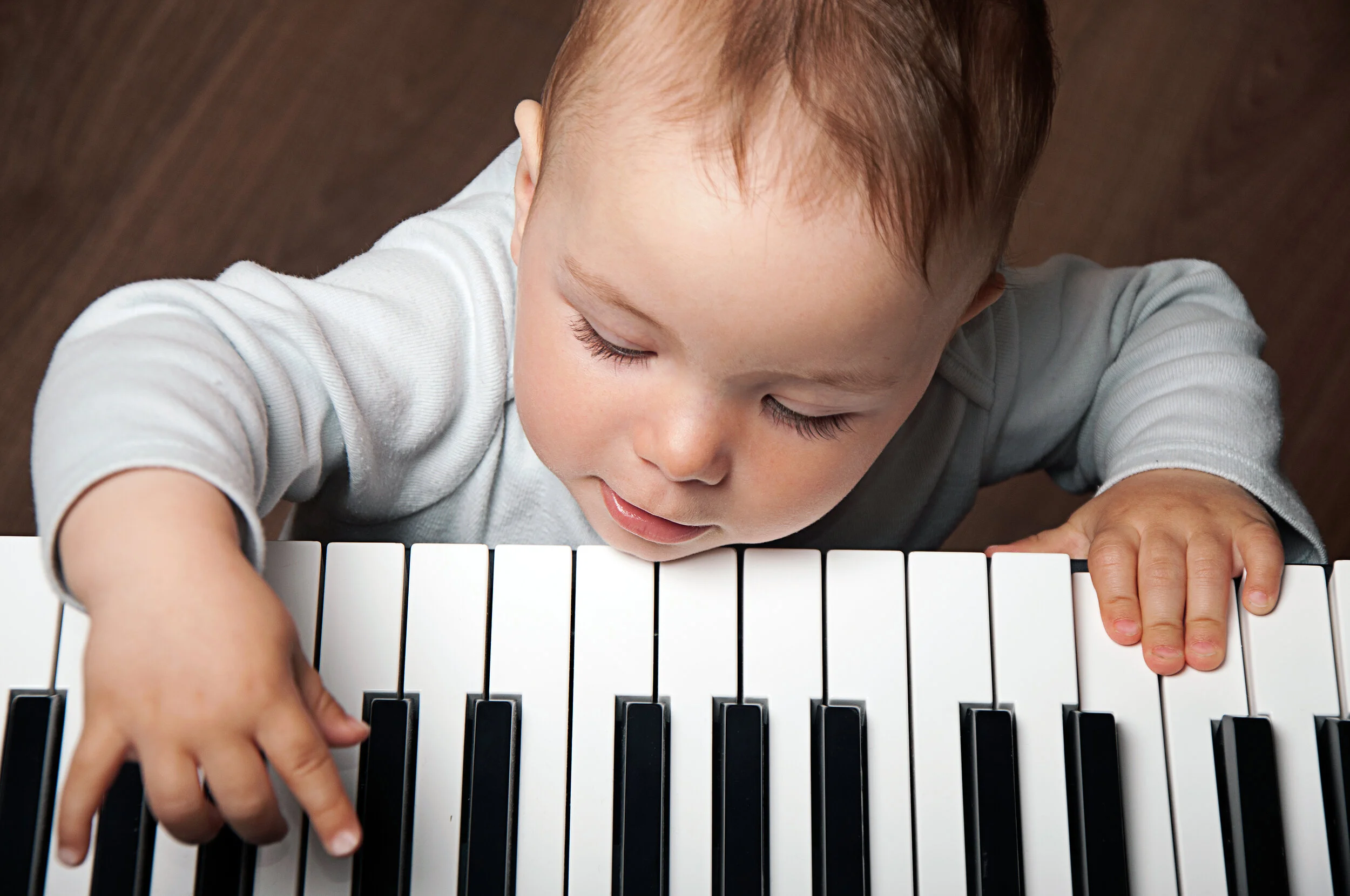
Choosing a piano teacher for your child is an important decision. This teacher may be your child’s first encounter with music education and can therefore set the tone (pardon the pun!) for how a child perceives music education and learning the piano. Your child’s first piano teacher needs not only to be qualified to teach piano but be able to work well with young students. They need to be encouraging and make lessons fun with each activity underpinned by a clear pedagogical goal.
What is being qualified to teach piano?
Unfortunately, music education is an unregulated industry. It is possible to set up and run a music school or studio without any qualifications. Too often having completed piano exams is seen as the only qualification that is needed to teach. This “teach as I was taught model” for instructing beginner piano students works well if the teacher happened to have excellent training and so knows what is required at every stage in player development. This approach falls short, however, if the teacher studied with someone who was not particularly well-trained themselves, and didn’t take any steps to close the gaps in their knowledge through ongoing professional development (moreover, this model of training only works if the teacher and subsequent students have the same learning style). A teacher’s technical training may have only encompassed doing scales with no instruction in other aspects of technique such as how to use arm weight or how to play with freedom and confidence away from the middle of the piano. They may have sat a high piano grade but just learned the minimum number of pieces required at each level and only have a passing knowledge of different music periods or styles as a result. Parents can end up spending a lot of money on individual lessons to have a child who after a few years of lessons can barely read music or play with a good hand position or tone. Not surprisingly students eventually quit because they never learned the skills required to move easily into intermediate and advanced levels.
What should a qualified piano teacher look like?
In addition to learning how to play the instrument to a high level they should have also studied piano pedagogy. This includes everything from understanding stages of child development, being familiar with different piano methods, knowing what healthy beginner technique looks like as well as having a thorough grounding in music theory and musical styles. A good piano teacher has done a lot more than just learn some scales and sit some exams.
“But it doesn’t matter who my child’s teacher is, I just want them to do exams!”
The problem with this approach is that if a child does not have a good foundation upon which to build, a foundation that is laid from the very first lessons, they will never do very well in exams or be able to play with confidence and ease when they are older.
Piano lessons are expensive so why not make every cent count? If a child is not getting thorough training in all aspects of piano playing, then they might as well be learning from YouTube. This YouTube student might be able to play some songs but cannot read music or play with a healthy technique or with a beautiful tone. Studying piano is more than being able to press the right keys in the right order. Good piano playing is not typing; it is about self-expression and experiencing the joy of making music.